



40,800원
(20%↓)
32,500원
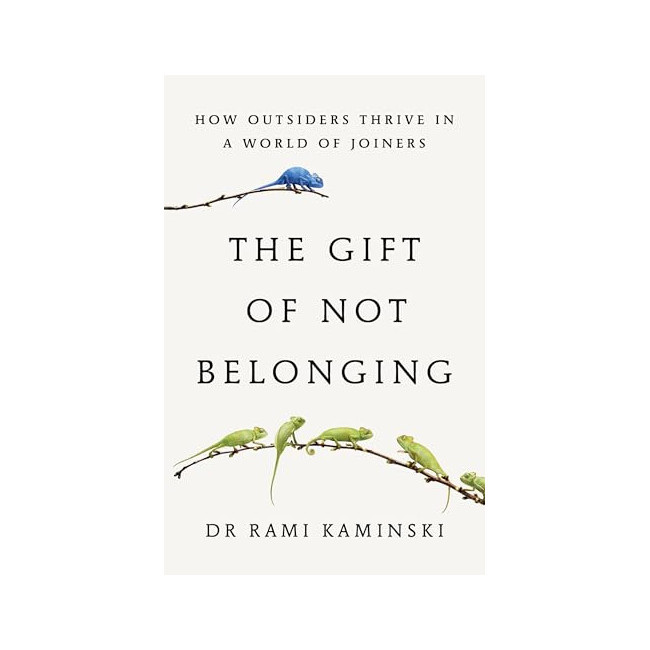
The Gift of Not Belonging (Hardback, 영국판)
- 『이향인』 영어원서

단체 채팅방의 새 알림을 읽지 않으면 불안해지고, '함께'라는 단어가 당연시 되는 사회. 집단주의 문화는 오랫동안 효율과 안정, 연대를 가능하게 했지만, 동시에 많은 사람을 지치게 해왔다. 정답처럼 제시되는 감정에 동의해야 하고, 분위기에 맞춰 자신의 감정과 리액션을 '수정'해야 하는 그 모든 순간, 우리는 차마 묻지 못한 질문이 하나 있다. "우리는 정말 이렇게까지 연결돼야 하는가."
이 책의 저자인 뉴욕의 저명한 정신과 의사 라미 카인스키 박사는 이 질문에 답하기 위해 하나의 이름을 제시한다. 바로 '이향인(오트로버트)'. 이향인은 사람을 싫어하는 이도, 사회성이 부족한 이도 아니다. 다만 에너지를 얻는 방식이 다르고, 안정감을 느끼는 구조도 다르며, 사고의 출발점이 ‘우리’가 아니라 ‘나’인 사람이다. 집단 속에 있을 때 오히려 더 외롭고, 혼자 있을 때 가장 자연스러워지는 사람. 모두가 옳다고 말할 때 한 걸음 물러서서 왜 옳은지 묻는 사람. 타인의 박수보다 자기 기준을 더 신뢰하는 사람.
특히 한국 사회는 오랫동안 공동체 인간을 이상형으로 제시해왔다. 소속, 협동, 팀워크, 관계 관리 능력은 미덕이었고, 집단에 잘 녹아드는 사람은 모범적으로 여겼다. 그 안에서 이향인은 종종 오해받았다. 소극적이라고, 차갑다고, 적응력이 부족하다고. 그러나 이 책의 저자는 말한다. 그것은 결핍이 아니라 엄연히 다른 '구조'라고. 고쳐야 할 성향이 아니라 이해되어야 할 기질이라고.
이향인은 특정 집단에 대한 강한 소속감으로 정체성을 형성하지 않는다. 회사, 각종 커뮤니티 같은 공동체적 상징에 애착을 느끼지 않으며, 대체로 ‘비참여자’의 위치에서 세상을 관찰한다. 타인의 기대에 맞춰 어울리는 것보다는 자신의 내면을 지키는 쪽을 택한다. 겉으로는 온순해 보일 수 있지만, 내면에는 집단의 강요에 대한 은밀한 저항과 독립성이 존재한다.
이 책은 단순히 이향인을 위한 변명이 아니다. 오히려 집단주의에 피로감을 느끼는 이들에게 건네는 또 하나의 언어다. 함께하기를 강요하는 세상에서 조용히 나만의 삶을 꾸려가는 법. 연결이 기준이 된 시대에, 나만의 고독을 지켜내는 힘을 안내한다. 무엇보다 나 자신에 대한 자책 대신 '다른 방식으로 나답게 살아도 된다'라는 자신에 대한 이해로 나아가게 하는 언어다. 이 책은 그 가능성을 진지하게, 그리고 따뜻하게 제안한다.
The first book to explore the distinct personality style of the otrovert - someone who lacks the communal impulse and does not fit in with any social group, regardless of its members - and to reveal all the advantages of being an otrovert and how otroverts contribute to the world.
If you were the kid who never wanted to go to summer camp, if you prefer spending time with friends one- on-one than going to parties, if you would rather forgo your vacation than travel with a tour group, and if you often engage in acts of silent rebellion against group norms and traditions, you are very likely an otrovert.
Dr Kaminski has been studying this personality style for over 30 years. He explains that, while otroverts enjoy deep and fulfilling one-on-one relationships, within groups they feel alienated, uncomfortable, and alone. Unlike introverts, who crave solitude and are easily drained by social interactions, otroverts can be quite gregarious and rarely tire from one-on-one socialising. And unlike loners, or people who have been marginalised based on their identity, otroverts are socially embraced and often popular - yet are unable to conform with what the group collectively thinks or cares about.
And therein lie the great gifts of being an otrovert. When you have no affinity for any particular group, your sense of self-worth is not conditioned on the group's approval. And, best of all, you know no other way to think other than to think for yourself. The Gift of Not Belonging urges otroverts to embrace their unique gifts, and equips them with the knowledge and tools to thrive in a communal world.
- 등록된 상품후기가 없습니다.