



-
# Penguin Classics
14,000원
(10%↓)
12,600원
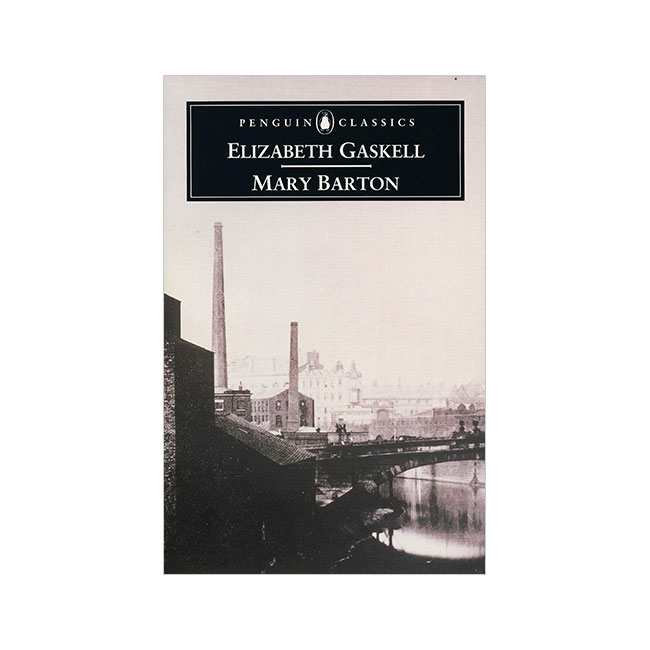
Penguin Classics : Mary Barton (Paperback, 영국판)
- 《메리 바턴》 영어원서


엘리자베스 개스켈은 빅토리아 시기 대표 여성 작가 중 한 명으로, 다양한 분야의 소설을 썼다. 그중에서도 두각을 나타낸 것이 고딕 소설과 사회 소설이다. 대표적으로 알려진 작품은 『북과 남』과 『크랜포드』로 산업 혁명 시기의 사회 계급의 갈등과 사랑을 주로 다루고 있지만, 그 작품의 바탕이 된 소설이 있었다. 바로, 시대의 흐름에 안주하지 않고 나아가는 주체적인 여성상을 그린 엘리자베스 개스켈의 첫 장편소설인 『메리 바턴』이다.
이 책은 『두 도시 이야기』의 작가이자 세계적인 명성을 얻은 찰스 디킨스의 극찬을 받았지만, 작가가 남성이 아닌 여성이라는 소식이 뒤늦게 전해지자 그 당시의 많은 비평가들로부터 혹평을 받았다.
이 책은 『두 도시 이야기』의 작가이자 세계적인 명성을 얻은 찰스 디킨스의 극찬을 받았지만, 작가가 남성이 아닌 여성이라는 소식이 뒤늦게 전해지자 그 당시의 많은 비평가들로부터 혹평을 받았다.
줄거리
내 이름은 메리 바턴이다. 나는 공장 노동자인 아버지의 하나뿐인 딸로, 어릴 적부터 큰 사랑을 받고 컸다. 내 오빠는 경제 불황 시절, 가난과 배고픔으로 이른 나이에 안타깝게 세상을 떠났고, 엄마는 사랑하는 이모가 행방불명된 뒤 큰 슬픔에 빠져 내 동생을 낳다 둘 다 하느님에게로 갔다.
아버지와 나는 가족으로써 서로를 아끼며 하루하루를 살아가고 있었다.
또다시 경제 불황이 닥치기 전까지는….
열여섯이 된 나는 공장에서 일하는 걸 반대하는 아버지의 의견에 따라, 재단사 수련생으로 들어가 일을 배우고 있었다. 경제 불황으로 많은 이들이 일자리를 잃었고, 그들 중에는 아버지도 있었다. 우리 집은 급격하게 기울어지기 시작했다.
그러던 어느 날, 공장주의 하나뿐인 아들이 살해당했다는 소식이 들려오는데….
범인은 누구이고, 왜 살인을 저질렀을까?
이상을 꿈꾼 여성 메리 바턴,
현실과 맞서 사랑하는 사람들을 지키기 위한 여정을 시작한다.
아버지와 나는 가족으로써 서로를 아끼며 하루하루를 살아가고 있었다.
또다시 경제 불황이 닥치기 전까지는….
열여섯이 된 나는 공장에서 일하는 걸 반대하는 아버지의 의견에 따라, 재단사 수련생으로 들어가 일을 배우고 있었다. 경제 불황으로 많은 이들이 일자리를 잃었고, 그들 중에는 아버지도 있었다. 우리 집은 급격하게 기울어지기 시작했다.
그러던 어느 날, 공장주의 하나뿐인 아들이 살해당했다는 소식이 들려오는데….
범인은 누구이고, 왜 살인을 저질렀을까?
이상을 꿈꾼 여성 메리 바턴,
현실과 맞서 사랑하는 사람들을 지키기 위한 여정을 시작한다.
Elizabeth Gaskell's remarkable first novel, Mary Barton: A Tale of Manchester Life portrays a love that defies the rigid boundaries of class with tragic consequences. This Penguin Classics edition is edited with an introduction and notes by MacDonald Daly.
Mary Barton, the daughter of disillusioned trade unionist, rejects her working-class lover Jem Wilson in the hope of marrying Henry Carson, the mill owner's son, and making a better life for herself and her father. But when Henry is shot down in the street and Jem becomes the main suspect, Mary finds herself painfully torn between the two men. Through Mary's dilemma, and the moving portrayal of her father, the embittered and courageous Chartist agitator John Barton, Mary Barton powerfully dramatizes the class divides of the 'hungry forties' as personal tragedy. In its social and political setting, it looks towards Elizabeth Gaskell's great novels of the industrial revolution, in particular North and South.
Macdonald Daly's introduction discusses Gaskell's first novel as a pioneering work in the recognition of the conditions of the poor and working class; this edition also contains full notes and a chronology of Gaskell's life.
Elizabeth Gaskell (1810-65) was born in London, but grew up in the north of England in the village of Knutsford. In 1832 she married the Reverend William Gaskell and had four daughters, and one son who died in infancy. Her first novel, Mary Barton, was published in 1848, winning the attention of Charles Dickens, and most of her later work was published in his journals. She was also a lifelong friend of Charlotte Brontë, whose biography she wrote.
If you enjoyed Mary Barton, you might like George Eliot's The Mill on the Floss, also available in Penguin Classics.
Mary Barton, the daughter of disillusioned trade unionist, rejects her working-class lover Jem Wilson in the hope of marrying Henry Carson, the mill owner's son, and making a better life for herself and her father. But when Henry is shot down in the street and Jem becomes the main suspect, Mary finds herself painfully torn between the two men. Through Mary's dilemma, and the moving portrayal of her father, the embittered and courageous Chartist agitator John Barton, Mary Barton powerfully dramatizes the class divides of the 'hungry forties' as personal tragedy. In its social and political setting, it looks towards Elizabeth Gaskell's great novels of the industrial revolution, in particular North and South.
Macdonald Daly's introduction discusses Gaskell's first novel as a pioneering work in the recognition of the conditions of the poor and working class; this edition also contains full notes and a chronology of Gaskell's life.
Elizabeth Gaskell (1810-65) was born in London, but grew up in the north of England in the village of Knutsford. In 1832 she married the Reverend William Gaskell and had four daughters, and one son who died in infancy. Her first novel, Mary Barton, was published in 1848, winning the attention of Charles Dickens, and most of her later work was published in his journals. She was also a lifelong friend of Charlotte Brontë, whose biography she wrote.
If you enjoyed Mary Barton, you might like George Eliot's The Mill on the Floss, also available in Penguin Classics.
총
0
개의 상품평
- 등록된 상품후기가 없습니다.