
ÀÌÀü

»óǰ»ó¼¼

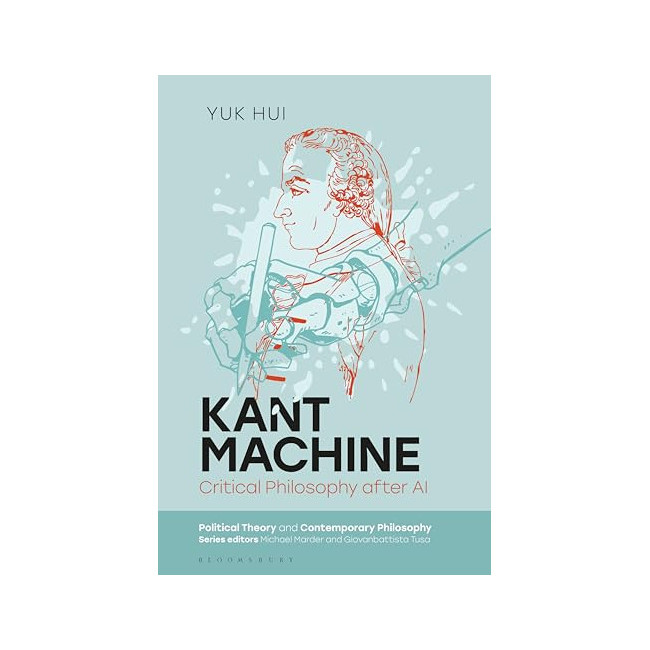
  • Kant Machine : Critical Philosophy After AI

Kant Machine : Critical Philosophy After AI (Paperback, ¿µ±¹ÆÇ)

48,600¿ø
(23%¡é) 37,500¿ø
      ÃÑ »óǰ ±Ý¾× 0 ¿ø
      ÆäÀ̽ººÏ Æ®À§ÅÍ Ä«Ä«¿ÀÅå
      ¡á ÆÄº»[B±Þµµ¼­]´Â ³×À̹öÆäÀÌ ±¸¸Å ºÒ°¡

      ÀΰøÁö´É ½Ã´ë¸¦ ¸Â¾Æ ÀÓ¸¶´©¿¤ Ä­Æ®ÀÇ Ã¶ÇÐÀ» »õ·Ó°Ô Á¶¸íÇÑ À¯Å© ÈÄÀÌÀÇ ½ÅÀÛ ¡ºKant Machine¡»Àº Çö´ë ±â¼úÀÇ À±¸®Àû¡¤Á¤Ä¡Àû ÇÔÀǸ¦ ½Éµµ ÀÖ°Ô °íÂûÇÕ´Ï´Ù. ÀúÀÚ´Â ±â°è¿¡ Áö´ÉÀ̳ª µµ´ö¼ºÀ» ºÎ¿©ÇÒ ¼ö ÀÖ´ÂÁö, ȤÀº ¿µ±¸ ÆòÈ­¸¦ À§ÇÑ ¾Ë°í¸®ÁòÀÌ Á¸ÀçÇÏ´ÂÁö¿Í °°Àº ±Ùº»ÀûÀÎ Áú¹®À» ´øÁö¸ç, ¶óÀÌÇÁ´ÏÃ÷ºÎÅÍ ¾Ù·± Æ©¸µ¿¡ À̸£´Â öÇÐ ¹× ±â¼ú»ç¸¦ Ä­Æ®ÀÇ ºñÆÇ öÇаú ¿«¾î³À´Ï´Ù. Ä­Æ®°¡ ÇÕ¸®·Ð°ú °æÇè·Ð¿¡ ´øÁ³´ø µµÀüÀåÀ» ÀΰøÁö´É¿¡ ´ëÀÔÇØ º¸´Â ÀÌ Ã¥Àº, Çö´ë ±â¼úÀÇ º»Áú°ú ÇѰ踦 ÀÌÇØÇÏ·Á´Â µ¶Àڵ鿡°Ô ÇʼöÀûÀÎ ºñÆÇÀû ±æÀâÀ̰¡ µÇ¾îÁÙ °ÍÀÔ´Ï´Ù.


      Rethinking the philosophy of Immanuel Kant in the age of artificial intelligence.


      What could be called an intelligent machine? Are machines capable of being moral? Does an algorithm for perpetual peace exist? In this groundbreaking new work, Yuk Hui considers how current debates on artificial intelligence echo historical philosophical discussions about the workings of the mind, with the philosophy of Immanuel Kant emerging as a lens through which to consider the ethical and political implications of AI and robotics in a new light.


      Addressing fundamental questions around machine intelligence and morality, transcendental idealism and learning, and the metaphysics of machines, the history of AI and Kantian ideas are expertly woven together alongside an array of figures in the histories of technology and philosophy: from Gottfried Wilhelm Leibniz and Alan Turing to Hubert Dreyfus and Jacques de Vaucanson.


      In asking how we can understand AI in light of the challenges Kant posed to both rationalism and empiricism, and how revisiting Kant can help us better comprehend the nature and limitations of contemporary technologies, Kant Machine is an essential critical contribution both to Kant studies and to the philosophy of digital technology.

      ÃÑ 0 °³ÀÇ »óǰÆò
      • µî·ÏµÈ »óǰÈıⰡ ¾ø½À´Ï´Ù.

      µµ¼­»ê°£ Áö¿ª Ãß°¡ ¹è¼Ûºñ (±âº»¹è¼Ûºñ+)

      Áö¿ª Ãß°¡ ¹è¼Ûºñ
      ÀÎõ Áß±¸/°­È­/¿ËÁø ¼¶Áö¿ª 4,500 ~ 6,000¿ø
      Ãæ³² ´çÁø/¼­»ê ¼¶Áö¿ª 4,000 ~ 7,000¿ø
      Ãæ³² º¸·É/ÅÂ¾È ¼¶Áö¿ª 5,000¿ø
      °æºÏ ¿ï¸ª±º ÀüÁö¿ª 5,000¿ø
      ºÎ»ê °­¼­±¸ ¼¶Áö¿ª 4,000¿ø
      °æ³² »çõ/Å뿵/°ÅÁ¦ ¼¶Áö¿ª 3,000 ~ 4,000¿ø
      ÀüºÏ ±º»ê/ºÎ¾È ¼¶Áö¿ª 5,000¿ø
      Àü³² ¿©¼ö/Áøµµ/½Å¾È ¼¶Áö¿ª 7,000 ~ 8,000¿ø
      Àü³² ¿Ïµµ/°íÈï/¸ñÆ÷ ¼¶Áö¿ª 5,000 ~ 7,000¿ø
      Àü³² ¿µ±¤/º¸¼º ¼¶Áö¿ª 4,000¿ø
      Á¦ÁÖ ÀüÁö¿ª 3,000¿ø
      Á¦ÁÖ ÃßÀÚ¸é 7,000¿ø
      Á¦ÁÖ ¿ìµµ 6,000¿ø

      Á¶°ÇºÎ ¹è¼Û

      ±Ý¾×º°¹è¼Ûºñ

      0¿ø ÀÌ»ó ~ 30000¿ø ¹Ì¸¸ 2,500¿ø
      30000¿ø ÀÌ»ó 0¿ø
      ºñ¹Ð¹øÈ£ È®ÀÎ ´Ý±â
      ÀÏÁÖÀϰ£ ¿­Áö ¾Ê±â