




현재 위치
홈Non-Fiction [논픽션]


페이스북
트위터-

카카오톡



“Nothing less than a masterpiece. With epic research and mesmerizing narrative power, Judgment at Tokyo has the makings of an instant classic.”
—Evan Osnos, National Book Award–winning author of Age of Ambition: Chasing Fortune, Truth, and Faith in the New China
In the weeks after Japan finally surrendered to the Allies to end World War II, the world turned to the question of how to move on from years of carnage and destruction. For Harry Truman, Douglas MacArthur, Chiang Kai-shek, and their fellow victors, the question of justice seemed clear: Japan’s militaristic leaders needed to be tried and punished for the surprise attack at Pearl Harbor; shocking atrocities against civilians in China, the Philippines, and elsewhere; and rampant abuses of prisoners of war in notorious incidents such as the Bataan death march. For the Allied powers, the trial was an opportunity to render judgment on their vanquished foes, but also to create a legal framework to prosecute war crimes and prohibit the use of aggressive war, building a more peaceful world under international law and American hegemony. For the Japanese leaders on trial, it was their chance to argue that their war had been waged to liberate Asia from Western imperialism and that the court was victors’ justice.
For more than two years, lawyers for both sides presented their cases before a panel of clashing judges from China, India, the Philippines, and Australia, as well as the United States and European powers. The testimony ran from horrific accounts of brutality and the secret plans to attack Pearl Harbor to the Japanese military’s threats to subvert the government if it sued for peace. Yet rather than clarity and unanimity, the trial brought complexity, dissents, and divisions that provoke international discord between China, Japan, and Korea to this day. Those courtroom tensions and contradictions could also be seen playing out across Asia as the trial unfolded in the crucial early years of the Cold War, from China’s descent into civil war to Japan’s successful postwar democratic elections to India’s independence and partition.
From the author of the acclaimed The Blood Telegram, which was a Pulitzer Prize finalist, this magnificent history is the product of a decade of research and writing. Judgment at Tokyo is a riveting story of wartime action, dramatic courtroom battles, and the epic formative years that set the stage for the Asian postwar era.
배송안내
※ 배송기간 : 결제일로 부터 2 ~ 4 일 소요 ( 공휴일 제외)
- 국내제작 사입상품, DVD, 도서/산간지역은 5 ~ 7 일 소요
※ 배송비 : 2,500 원 ( 실 결제금액 기준 3 만원이상 구매시 무료 )
- 제주 및 기타 도서지역 : 도선료( 기본배송비 + 3,000 원 ~ 8,000원 )
- 군부대 및 해외배송은 지원되지 않습니다.
※ 협력택배사 : CJ 대한통운 http://www.doortodoor.co.kr/
☎ 1588 - 1255 ( 월 ~ 금 08:00 ~ 18:00 / 토 09:00 ~ 13:00 )
교환/반품 안내
※ 상품 수령 후 7 일 이내에 고객센터를 통해 신청하실 수 있습니다.
(전화 / 카톡 / 1:1문의 )
- 이벤트 상품일 경우 사은품도 같이 반납해 주셔야 환불됩니다.
- 상품불량인 경우 배송비를 포함한 전액이 환불됩니다.
※ 전 상품 반품시 5,000 원 ( 고객부담 )
- 부분 반품시, 주문금액이 3만원 이상이면 2,500 원 (고객부담)
주문금액이 3 만원 미만이면 5,000 원 (고객부담)
※ 반품 / 교환 불가능한 경우
- 포장된 도서, CD 등의 포장을 개봉 및 훼손한 경우,
- 단기간에 필독이 가능한 도서
ex) CD, 여행서, 만화, 요리책, 지도, 사진집, 워크북 등
※ 반품주소
- 서울특별시 성동구 성수일로 55(SK테크노빌딩) 지하1층 101~102호
이미지 확대보기
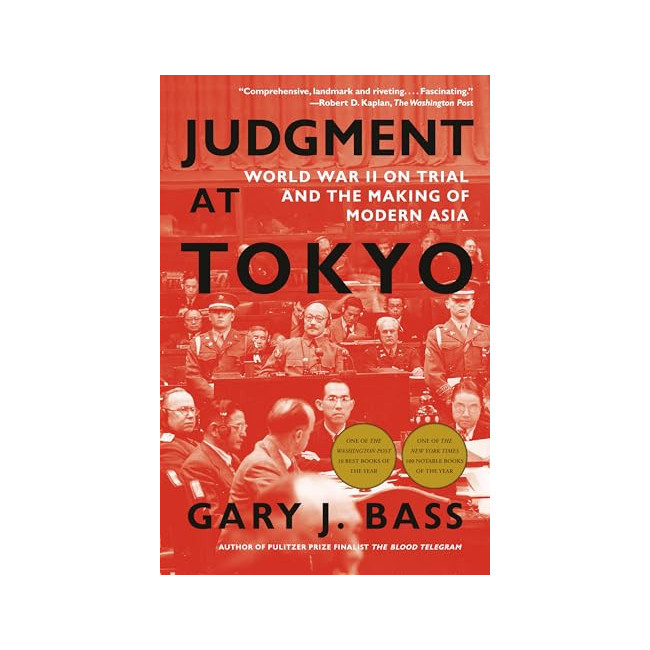
[파본:B급]Judgment at Tokyo: World War II on Trial and the Making of Modern Asia



 고객님은
안전거래를 위해 현금등으로 결제시 저희 쇼핑몰에서 가입한
구매안전서비스를 이용하실 수 있습니다.
고객님은
안전거래를 위해 현금등으로 결제시 저희 쇼핑몰에서 가입한
구매안전서비스를 이용하실 수 있습니다.