




현재 위치
홈[일반] 일반/기타


페이스북
트위터-

카카오톡


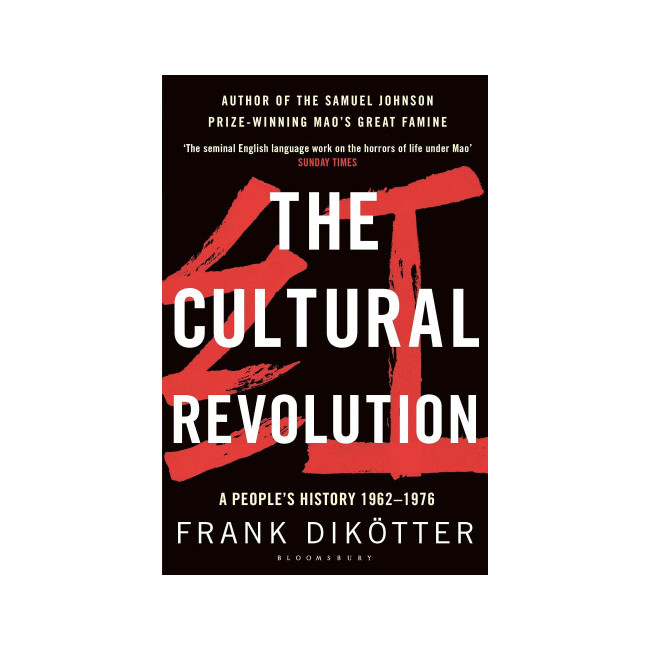
1958년부터 1962년 사이 수천만 명의 목숨을 앗아간 대진목 운동의 경제적 참사 이후, 늙어가는 마오는 자신의 위신을 세우고 유산에 위협이 되는 적들을 제거하기 위한 야심 찬 계획을 감행합니다. 문화대혁명의 명목상 목표는 진정한 공산주의 이념을 위협한다고 주장하는 부르주아와 자본주의 요소를 청산하는 것이었습니다. 하지만 주석은 오랜 동지들을 포함한 자신의 동료들에게 화살을 돌려 이들에게 공개적인 수치심과 징역, 고문을 가하는 수단으로 문혁을 이용했습니다.
어린 학생들은 주석을 목숨 바쳐 수호하겠다며 홍위병을 조직했지만, 이내 파벌로 갈라져 혁명의 순수성이라는 명목하에 반자동 소총까지 들고 거리에서 서로를 향해 총격을 가했습니다. 나라가 혼란 속으로 빠져들자 군대가 개입해 중국은 요새 국가로 변모했고, 인구 50명 중 1명 꼴로 희생되는 피비린내 나는 숙청이 이어졌습니다.
군대마저 문화대혁명의 희생양이 되자, 평범한 인민들은 정치적 혼란을 이용해 시장을 부활시키고 당의 이념을 무력화했습니다. 요컨대 인민들이 마오주의를 스스로 매장한 것입니다. 심층 인터뷰와 사료 조사를 통해 비로소 인민들의 목소리와 이들이 면했던 복잡한 선택의 기로를 조명하며, 마오 정권 말기를 특징지었던 통제와 순응의 이미지를 해체합니다. 미층으로부터의 탈집단화가 폭력적인 숙청과 만연한 공포가 만들어낸 비의도적 결과였음을 증명함으로써, 프랭크 디쾨터는 중국의 가장 격동적인 시대를 완전히 새로운 시각으로 조명합니다.
비밀경찰 보고서부터 지도부 연설의 검열 없는 원본에 이르기까지 기밀 해제된 당 문서들을 바탕으로 쓰인 프랭크 디쾨터의 명쾌하고 독보적인 '인민 삼부작' 그 마지막 장은 중화인민공화국 역사를 집대성하는 명쾌하고 냉철한 재평가입니다.
'The seminal English language work on the subject' Sunday Times
'A major contribution to scholarship on modern China, one that is unequalled, certainly in the English language . both revealing and rewarding reading - for specialists and non-specialists alike' Literary Review
After the economic disaster of the Great Leap Forward that claimed tens of millions of lives between 1958 and 1962, an ageing Mao launched an ambitious scheme to shore up his reputation and eliminate those he viewed as a threat to his legacy. The stated goal of the Cultural Revolution was to purge the country of bourgeois, capitalist elements he claimed were threatening genuine communist ideology. But the Chairman also used the Cultural Revolution to turn on his colleagues, some of them longstanding comrades-in-arms, subjecting them to public humiliation, imprisonment and torture.
Young students formed Red Guards, vowing to defend the Chairman to the death, but soon rival factions started fighting each other in the streets with semi-automatic weapons in the name of revolutionary purity. As the country descended into chaos, the military intervened, turning China into a garrison state marked by bloody purges that crushed as many as one in fifty people.
When the army itself fell victim to the Cultural Revolution, ordinary people used the political chaos to resurrect the market and hollow out the party's ideology. In short, they buried Maoism. In-depth interviews and archival research at last give voice to the people and the complex choices they faced, undermining the picture of conformity that is often understood to have characterised the last years of Mao's regime. By demonstrating that decollectivisation from below was an unintended consequence of a decade of violent purges and entrenched fear, Frank Dikötter casts China's most tumultuous era in a wholly new light.
Written with unprecedented access to previously classified party documents from secret police reports to unexpurgated versions of leadership speeches, this third chapter in Frank Dikötter's extraordinarily lucid and ground-breaking 'People's Trilogy' is a devastating reassessment of the history of the People's Republic of China.
배송안내
※ 배송기간 : 결제일로 부터 2 ~ 4 일 소요 ( 공휴일 제외)
- 국내제작 사입상품, DVD, 도서/산간지역은 5 ~ 7 일 소요
※ 배송비 : 2,500 원 ( 실 결제금액 기준 3 만원이상 구매시 무료 )
- 제주 및 기타 도서지역 : 도선료( 기본배송비 + 3,000 원 ~ 8,000원 )
- 군부대 및 해외배송은 지원되지 않습니다.
※ 협력택배사 : CJ 대한통운 http://www.doortodoor.co.kr/
☎ 1588 - 1255 ( 월 ~ 금 08:00 ~ 18:00 / 토 09:00 ~ 13:00 )
교환/반품 안내
※ 상품 수령 후 7 일 이내에 고객센터를 통해 신청하실 수 있습니다.
(전화 / 카톡 / 1:1문의 )
- 이벤트 상품일 경우 사은품도 같이 반납해 주셔야 환불됩니다.
- 상품불량인 경우 배송비를 포함한 전액이 환불됩니다.
※ 전 상품 반품시 5,000 원 ( 고객부담 )
- 부분 반품시, 주문금액이 3만원 이상이면 2,500 원 (고객부담)
주문금액이 3 만원 미만이면 5,000 원 (고객부담)
※ 반품 / 교환 불가능한 경우
- 포장된 도서, CD 등의 포장을 개봉 및 훼손한 경우,
- 단기간에 필독이 가능한 도서
ex) CD, 여행서, 만화, 요리책, 지도, 사진집, 워크북 등
※ 반품주소
- 서울특별시 성동구 성수일로 55(SK테크노빌딩) 지하1층 101~102호
이미지 확대보기
The Cultural Revolution : A People's History, 1962-1976



 고객님은
안전거래를 위해 현금등으로 결제시 저희 쇼핑몰에서 가입한
구매안전서비스를 이용하실 수 있습니다.
고객님은
안전거래를 위해 현금등으로 결제시 저희 쇼핑몰에서 가입한
구매안전서비스를 이용하실 수 있습니다.