




현재 위치
홈[일반] 일반/기타


페이스북
트위터-

카카오톡


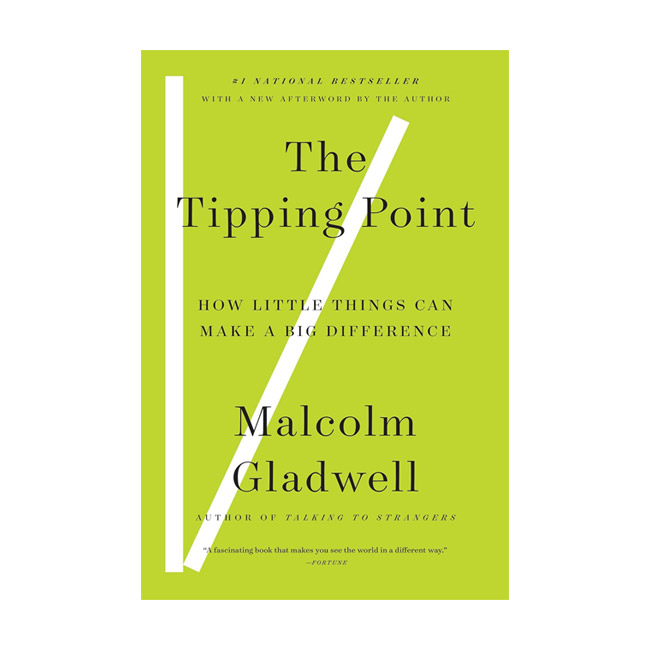
왜 어떤 것은 뜨고 어떤 것은 사라지는가? 유행의 출현, 범죄의 증감, 알려지지 않았던 책이 베스트셀러가 되는 극적인 전환, 그 외 매일의 삶에서 일어나는 신기한 한 순간의 변화를 이해하는 가장 좋은 방법은 그것을 사회적 '전염'으로 간주하는 것이다. 독감 바이러스를 가진 한 사람이 많은 이들에게 독감을 전염시키듯 사회적 유행이나 변화 또한 특이한 개성과 사회적인 관계망과 예외적인 열정을 지닌 한 사람에게서 시작되어 걷잡을 수 없이 번져 나간다. 이러한 극적인 변화가 시작되는 순간에 붙여진 이름이 바로 '티핑 포인트'. 이 책은 첨단 유행에서부터 전위 예술에 이르기까지 티핑 포인트를 추적하는 한 편의 지적 유희를 펼친다.
"The Tipping Point" is the biography of an idea, and the idea is quite simple: that many of the problems we face - from murder to teenage delinquency to traffic jams - behave like epidemics. They aren't linear phenomena in the sense that they steadily and predictably change according to the level of effort brought to bear against them. They are capable of sudden and dramatic changes in direction. Years of well-intentioned intervention may have no impact at all, yet the right intervention - at just the right time - can start a cascade of change. Many of the social ills that face us today, in other words, are as inherently volatile as the epidemics that periodically sweep through the human population: little things can cause them to "tip" at any time and if we want to understand how to confront and solve them we have to understand what those "tipping points" are. In this study, Malcolm Gladwell explores the ramifications of this. Not simply for politicians and policy-makers, his method provides a way of viewing everyday experience and seeking to enable us to develop strategies for everything from raising a child to running a company.
배송안내
※ 배송기간 : 결제일로 부터 2 ~ 4 일 소요 ( 공휴일 제외)
- 국내제작 사입상품, DVD, 도서/산간지역은 5 ~ 7 일 소요
※ 배송비 : 2,500 원 ( 실 결제금액 기준 3 만원이상 구매시 무료 )
- 제주 및 기타 도서지역 : 도선료( 기본배송비 + 3,000 원 ~ 8,000원 )
- 군부대 및 해외배송은 지원되지 않습니다.
※ 협력택배사 : CJ 대한통운 http://www.doortodoor.co.kr/
☎ 1588 - 1255 ( 월 ~ 금 08:00 ~ 18:00 / 토 09:00 ~ 13:00 )
교환/반품 안내
※ 상품 수령 후 7 일 이내에 고객센터를 통해 신청하실 수 있습니다.
(전화 / 카톡 / 1:1문의 )
- 이벤트 상품일 경우 사은품도 같이 반납해 주셔야 환불됩니다.
- 상품불량인 경우 배송비를 포함한 전액이 환불됩니다.
※ 전 상품 반품시 5,000 원 ( 고객부담 )
- 부분 반품시, 주문금액이 3만원 이상이면 2,500 원 (고객부담)
주문금액이 3 만원 미만이면 5,000 원 (고객부담)
※ 반품 / 교환 불가능한 경우
- 포장된 도서, CD 등의 포장을 개봉 및 훼손한 경우,
- 단기간에 필독이 가능한 도서
ex) CD, 여행서, 만화, 요리책, 지도, 사진집, 워크북 등
※ 반품주소
- 서울특별시 성동구 성수일로 55(SK테크노빌딩) 지하1층 101~102호
이미지 확대보기
The Tipping Point



 고객님은
안전거래를 위해 현금등으로 결제시 저희 쇼핑몰에서 가입한
구매안전서비스를 이용하실 수 있습니다.
고객님은
안전거래를 위해 현금등으로 결제시 저희 쇼핑몰에서 가입한
구매안전서비스를 이용하실 수 있습니다.