




현재 위치
홈[일반] 일반/기타


페이스북
트위터-

카카오톡


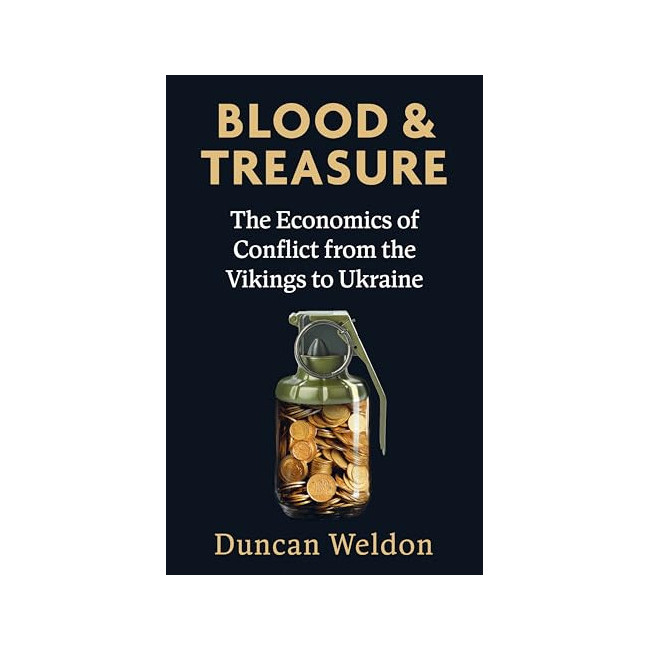
Wars are expensive, both in human terms and monetary ones. Since at least the 1640s, in the aftermath of the British Civil Wars, the phrase 'blood and treasure' has sought to encapsulate these costs.
Two economic notions, in particular, feature in this book: incentives and institutions. A rational look at incentives explains even the most seemingly irrational behaviour - and few things are as irrational as war. Crucially, incentives are not formed in a vacuum, they are shaped by the wider social, cultural and political context - the kind of things economists call institutions (i.e. the State). Over time institutions change and with them incentives change too. Together institutions and incentives shape and explain human behaviour. Over the long span of human history, nothing has shaped institutions - and hence economic outcomes - as much as war and violence.
Blood and Treasure examines why Genghis Khan should be regarded as the father of globalisation, how New World gold and silver kept Spain poor, why some economists think of witch trials as a form of 'non-price competition', how pirate captains were pioneers of effective HR techniques, how handing out medals hurt the Luftwaffe in the Second World War and why economic theories helped to create a tragedy in Vietnam. Along the way it considers why some medieval kings were right to arm their soldiers with inferior weapons, takes some management lessons from Joseph Stalin and asks if a culture of patronage and cronyism helped the Royal Navy rise to greatness. It also analyses the changing economic costs of war and ask whether war is always bad for the economy
배송안내
※ 배송기간 : 결제일로 부터 2 ~ 4 일 소요 ( 공휴일 제외)
- 국내제작 사입상품, DVD, 도서/산간지역은 5 ~ 7 일 소요
※ 배송비 : 2,500 원 ( 실 결제금액 기준 3 만원이상 구매시 무료 )
- 제주 및 기타 도서지역 : 도선료( 기본배송비 + 3,000 원 ~ 8,000원 )
- 군부대 및 해외배송은 지원되지 않습니다.
※ 협력택배사 : CJ 대한통운 http://www.doortodoor.co.kr/
☎ 1588 - 1255 ( 월 ~ 금 08:00 ~ 18:00 / 토 09:00 ~ 13:00 )
교환/반품 안내
※ 상품 수령 후 7 일 이내에 고객센터를 통해 신청하실 수 있습니다.
(전화 / 카톡 / 1:1문의 )
- 이벤트 상품일 경우 사은품도 같이 반납해 주셔야 환불됩니다.
- 상품불량인 경우 배송비를 포함한 전액이 환불됩니다.
※ 전 상품 반품시 5,000 원 ( 고객부담 )
- 부분 반품시, 주문금액이 3만원 이상이면 2,500 원 (고객부담)
주문금액이 3 만원 미만이면 5,000 원 (고객부담)
※ 반품 / 교환 불가능한 경우
- 포장된 도서, CD 등의 포장을 개봉 및 훼손한 경우,
- 단기간에 필독이 가능한 도서
ex) CD, 여행서, 만화, 요리책, 지도, 사진집, 워크북 등
※ 반품주소
- 서울특별시 성동구 성수일로 55(SK테크노빌딩) 지하1층 101~102호
이미지 확대보기
Blood and Treasure: The Economics of Conflict from the Vikings to Ukraine



 고객님은
안전거래를 위해 현금등으로 결제시 저희 쇼핑몰에서 가입한
구매안전서비스를 이용하실 수 있습니다.
고객님은
안전거래를 위해 현금등으로 결제시 저희 쇼핑몰에서 가입한
구매안전서비스를 이용하실 수 있습니다.